.png)


Walnuts – Nutritional Profile, and Health Benefits

Key Highlights:
Nutritional Profile: Rich in omega-3, antioxidants, polyphenols, vitamins (B and E), and minerals (magnesium, zinc, and calcium).
Health Benefits:
- Brain Health: Boosts memory and cognition and may help prevent Alzheimer’s.
- Anti-Inflammatory: Reduces chronic inflammation markers.
- Cancer Prevention: May lower the risk of colorectal, breast, and prostate cancers.
- Heart Health: It lowers LDL cholesterol and improves blood pressure & vessel function.
- Weight Management: High fiber & protein promote satiety; low GI stabilizes blood sugar.
- Gut Health: Prebiotics & fiber support digestion and gut microbiome.
- Skin & Hair: Vitamin E & omega-3s nourish skin and prevent aging & hair loss.
- Mood & Mental Well-being: Omega-3s & tryptophan aid in serotonin production, reducing stress & depression.
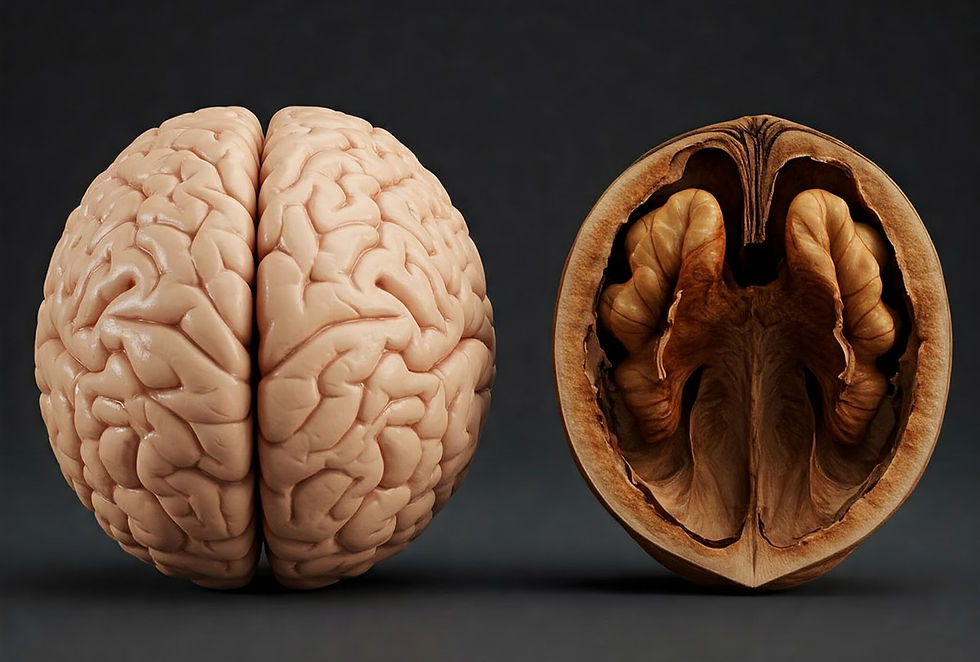
Walnuts, botanically known as Juglans regia, are widely famous nuts for their unique appearance and various health benefits.
Nutritional Profile of Walnuts:
Walnuts are a great source of nutrients including antioxidants, polyphenols, and nourishing fatty acids such as omega-3 and omega-6 [1]. Additionally, walnuts supply many of the essential minerals and vitamins including, sodium, magnesium, calcium, iron, zinc, potassium, B vitamins, vitamin E, etc. The nutritional profile of organically grown walnuts is tabulated below.

It's no surprise that walnuts, given their excellent nutritional value, receive significant praise for the health benefits they offer.
Health Benefits of Walnuts:
Scientific and medical research have extensively documented the beneficial effects of walnut consumption on human health ranging from improved brain health to exerting anticancer effects.
Effects on brain health and cognition:
The ‘Doctrine of Signatures’ is an ancient belief that the shape, color, or other physical characteristics of a plant or food indicate its potential health benefits. This idea suggests that natural objects resemble the organs or ailments they can help treat [2].
Walnuts resemble the human brain with their wrinkled, two-lobed structure. According to the Doctrine of Signatures, this similarity suggests that walnuts support brain health. Modern research supports this idea, as walnuts are rich in omega-3 fatty acids, antioxidants, and polyphenols, which contribute to cognitive function and memory while reducing oxidative stress in brain cells [3]. For instance, a study involving young adults found that consuming a walnut-rich breakfast led to faster reaction times and improved memory throughout the day [4].
Some research also highlights the potential role of walnuts in preventing Alzheimer’s disease. Animal studies have demonstrated that a walnut-enriched diet can lead to significant improvements in memory, learning, and motor coordination [5]. These benefits are attributed to walnuts' antioxidant properties, which help reduce oxidative stress—a contributing factor to Alzheimer's disease.
Anti-inflammatory effects of walnuts:
Chronic inflammation is linked to numerous diseases, including cardiovascular disease, diabetes, and neurodegenerative disorders. Walnuts are rich in alpha-linolenic acid (ALA), a type of omega-3 fatty acid, and polyphenols, both of which have been shown to exhibit anti-inflammatory effects [6]. One study also found that higher walnut consumption was associated with better cognitive performance in older adults [7]. Research also indicates that walnut consumption can reduce inflammatory markers such as C-reactive protein (CRP) and interleukin-6 (IL-6), contributing to overall well-being [8].
Walnuts exhibit anti-cancer effects:
Walnuts have come into the limelight due to their potential role in cancer prevention and management. Rich in bioactive compounds such as polyphenols, omega-3 fatty acids, and antioxidants, walnuts possess properties that may help reduce the risk of certain cancers. These compounds exhibit anti-inflammatory and antiproliferative effects, potentially inhibiting the growth and spread of cancer cells [9]. Studies have suggested that regular consumption of walnuts can lower the risk of colorectal, breast, and prostate cancers [10].

Walnuts positively regulate heart health:
Walnuts are an excellent source of omega-3 fatty acids, particularly alpha-linolenic acid (ALA), which has been shown to reduce inflammation and lower the risk of cardiovascular diseases [11]. Additionally, walnuts contain high levels of antioxidants and polyphenols that help combat oxidative stress and improve endothelial function. Regular consumption of walnuts has been linked to lower LDL cholesterol and triglycerides levels, improved blood vessel function, and reduced blood pressure [12].

Walnuts for weight loss:
Walnuts can be a valuable addition to a weight-loss diet due to their nutrient-dense profile. They are rich in healthy fats, protein, and fiber, which promote the feeling of fullness and help control hunger, reducing the likelihood of overeating [13]. The combination of omega-3 fatty acids and antioxidants in walnuts supports metabolic health, potentially enhancing fat metabolism. Additionally, walnuts have a very low glycemic index of 15, which means they have a minimal impact on blood sugar levels, preventing energy crashes and cravings.

Walnuts regulate gut health:
Walnuts help maintain gut health through their rich profile of fiber, prebiotics, and other beneficial compounds. The dietary fiber in walnuts promotes regular bowel movements and helps maintain a healthy digestive system. Prebiotics, found in walnuts, serve as food for beneficial gut bacteria, fostering a balanced and diverse gut microbiome. Studies have shown that walnuts can increase the presence of butyrate-producing bacteria, a short-chain fatty acid that supports gut lining integrity and reduces inflammation [14].
Walnuts for skin and hair health:
Walnuts are a powerhouse for skin and hair health due to their high content of essential nutrients. Rich in vitamins and minerals such as vitamin E, biotin, and zinc, walnuts help nourish the skin and promote healthy hair growth [15]. The omega-3 fatty acids in walnuts support the skin's natural oil barrier, maintaining hydration and reducing inflammation, which can help prevent acne and other skin issues. Additionally, antioxidants in walnuts combat free radicals, protecting the skin from premature aging and damage [15].
Walnuts improve mood and reduce depression:
Walnuts can play a significant role in improving mood and alleviating symptoms of depression. They are rich in omega-3 fatty acids, particularly alpha-linolenic acid (ALA), which supports brain health and has been associated with a reduced risk of depressive symptoms [16]. Walnuts also contain tryptophan, an amino acid that helps produce serotonin, a neurotransmitter that regulates mood and promotes feelings of well-being. Furthermore, the antioxidants and polyphenols in walnuts combat oxidative stress and inflammation, factors that can negatively impact mental health.
Conclusion:
Incorporating walnuts into your diet can offer a multitude of health benefits, from reducing inflammation to improving brain and heart health. Their unique composition of omega-3 fatty acids, polyphenols, and bioactive compounds makes them an excellent choice for overall wellness. However, moderation is key, as walnuts are calorie-dense. Enjoy them as part of a balanced diet to reap their full benefits.
So, why wait? Try Kraanthi’s homemade, delicious organic walnut containing dry fruit laddus for a tasty and healthy snack! Order now for a perfect blend of nutrition and flavour.
References:
Goldsworthy, E. (2024). Discover the Health Benefits of Walnuts. Vitality Walnuts.
Shree, N. (2021). Doctrine of Signatures. Eastern Scientist. Issue-14/15. Vol.1/2.
Chauhan, A., & Chauhan, V. (2020). Beneficial Effects of Walnuts on Cognition and Brain Health. Nutrients, 12(2), 550. https://doi.org/10.3390/nu12020550
Bell, L., Dodd, G. F., Jeavons, M., Fisher, D. R., Whyte, A. R., Shukitt-Hale, B., & Williams, C. M. (2025). The impact of a walnut-rich breakfast on cognitive performance and brain activity throughout the day in healthy young adults: a crossover intervention trial. Food & Function, DOI: 10.1039/d4fo04832f.
Muthaiyah, Balu et al. (2014) Dietary Supplementation of Walnuts Improves Memory Deficits and Learning Skills in Transgenic Mouse Model of Alzheimer’s Disease.
Ros, E. (2010). Health benefits of nut consumption. Nutrients, 2(7), 652-682
Bishop, N. J., & Zuniga, K. E. (2021). Investigating walnut consumption and cognitive trajectories in a representative sample of older US adults. Public health nutrition, 24(7), 1741–1752.
Arab, L., Guo, R., & Elashoff, D. (2018). Lower inflammation associated with walnut consumption in NHANES 2010–2016. Nutrients, 10(7), 980.
Nakanishi, H., Hayashi, K., & Fukuda, H. (2014). Ellagitannin metabolism and its impact on gut microbiota and health. Phytochemistry Reviews, 13(4), 905-924.
Hardman, W. E. (2014). Dietary walnut suppression of cancer growth and survival in mice. The Journal of Nutrition, 144(4), 506-513.
Zhang, D. (2011). α-Linolenic Acid Intake Attenuates Myocardial Ischemia/Reperfusion Injury through Anti-inflammatory and Anti-oxidative Stress Effects in Diabetic but Not Normal Rats, Archives of Medical Research, Volume 42, Issue 3, Pages 171-181
Banel, D. K., & Hu, F. B. (2009). Effects of walnut consumption on blood lipids and other cardiovascular risk factors: a meta-analysis and systematic review. The American Journal of Clinical Nutrition, 90(1), 56-63
Farr, O. M., Upadhyay, J., Rutkowski, J. M., et al. (2019). Walnut consumption increases satiety and reduces hunger in obese individuals. Diabetes, Obesity & Metabolism, 21(2), 376-38.
Byerley, L. O., Samuelson, D., Blanchard, E. IV, et al. (2017). Changes in the gut microbial communities following the addition of walnuts to the diet. The Journal of Nutritional Biochemistry, 48, 94-102.
Mir, G.M. et al., (2016). Scientific processing of walnuts is necessary for amazing Health Benefits. Journal of Chemistry and Chemical Sciences. Vol.6(8), 783-793.
Grosso, G., Galvano, F., Marventano, S., et al. (2014). Omega-3 fatty acids and depression: scientific evidence and biological mechanisms. Oxidative Medicine and Cellular Longevity, 313570.


Comments